Radiator fan not running: the idle-only overheat, tested in order
Overheats at idle, fine on the highway? That pattern is the radiator fan.
A Grand Caravan 3.6L misfire code names a cylinder, not a part.
Overheats at idle, fine on the highway? That pattern is the radiator fan.
Clicking on turns is the outer CV joint, but shudder and hum point elsewhere.
Symptoms ranked, leak first, ride feel last, the inspection procedure, the pair rule, and the load-adjusting decision for vans that tow.
Can you hear the pump? That ten-second test halves a six-cause list. Then the disconnect test, the fuse branch, and the fix order, cheapest first.
The compact spare is winched under the centre console area, not in the cargo floor. The manual's retrieve, change, stow sequence, plus the seized-winch branch.
Plain-language maintenance and repair guides for Caravan owners
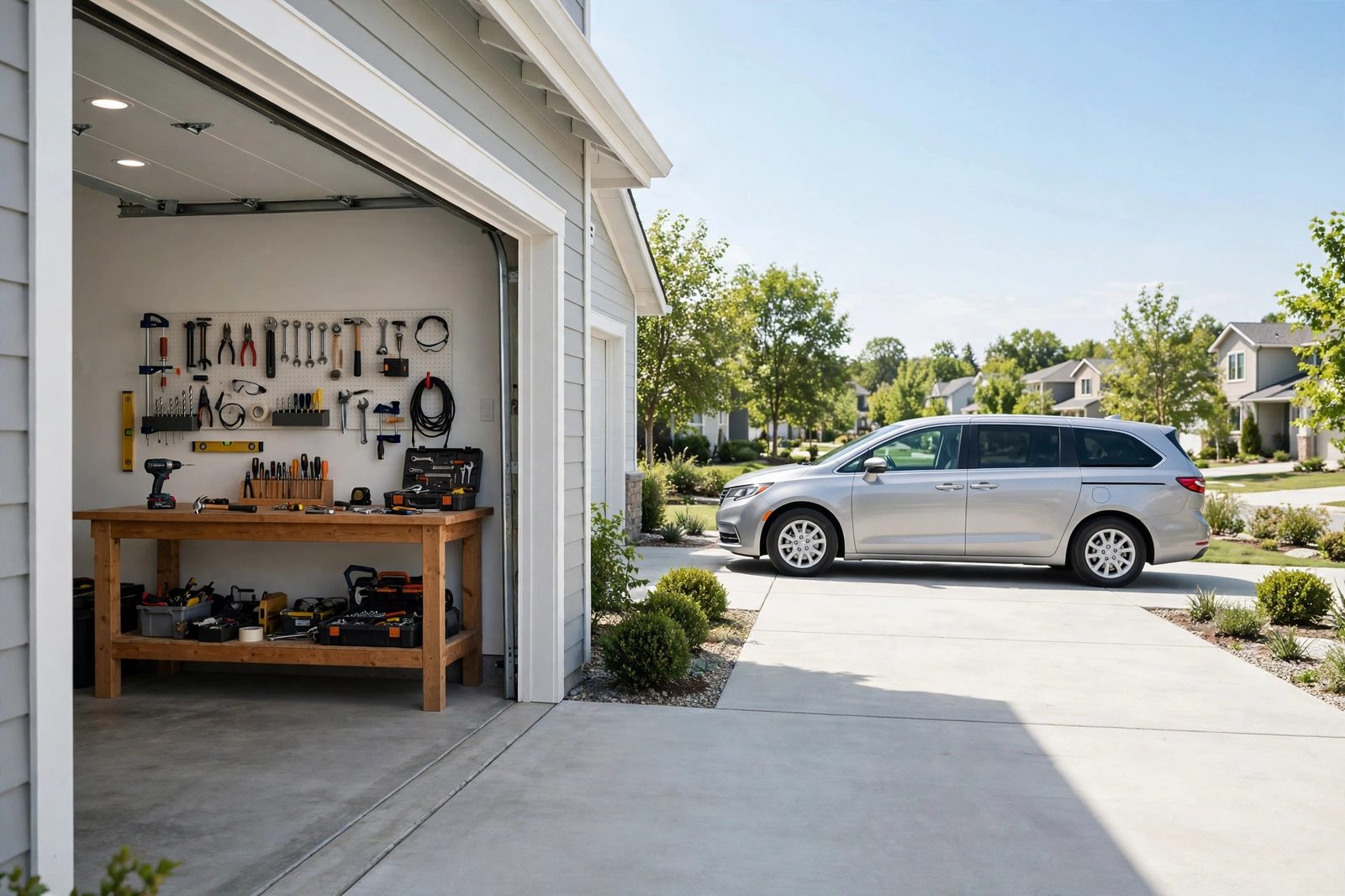 Owner-friendly repair guides
No mechanic jargon, no filler. Step-by-step guides to the jobs a careful owner can do at home on a Dodge Grand Caravan, plus honest advice about which jobs belong in a professional shop.
Start with the oil change →Cold at speed but warm at idle, weak airflow, one side warm, each pattern names a different suspect. The symptom table, the ordered checks, and where DIY legally stops.
Four usual suspects, one order: fuse, then sound, then linkage, then power at the motor. The diagnosis that avoids buying a motor for a linkage problem.
The valley-first diagnosis that separates a housing leak from a rear main seal, the seals-vs-aluminum decision, and the intake-off replacement.
The cranking test that proves the soldered-in relay failed, and the priced ladder from test cable to new TIPM, with the crash-cutoff difference nobody mentions.
Resting, running, loaded, and voltage-drop readings that separate battery, belt, and cables from the alternator, plus the PCM regulation trap.
A dead rear wiper on a Grand Caravan is usually the M24 fuse, a seized motor, or broken wiring in the liftgate boot. The checks in order, with the washer split test first.
Cruise that will not light up, cruise that lights but will not set, and cruise that drops out are three different faults on a Grand Caravan. The split, then the brake switch, pedal, and clock spring checks.
A silent horn is a simple circuit: fuse, relay, horn unit, and the clock spring behind the wheel. One listening test and one relay swap sort most Grand Caravan horn faults before any part is bought.
Unlatches, pops out, and stops is rarely a dead motor. The pattern table, the cable and harness checks, and the motor swap test, plus the fact that a snapped cable means the whole drive assembly.
The code names a corner, not a part. Free checks first, the four wheel live data comparison, the corner inspection order, and the unplug test for when code and data disagree.
A stain at the weep hole is not automatically a failed pump. The allowed-seepage spec, the 15-minute drip test, and the highest-wet-point check that decide between monitoring and replacing.
Worked in cost order: debris in the tub first, latch engagement second, the factory 5 to 8 mm cable stick-out measurement third, and the latch actuator last.
A new fob battery that changes nothing does not mean reprogramming, a battery swap never needs it. Spare fob first, battery and contacts second, the RF signal test third.
A hum that rises with speed and changes when you swerve is a bearing pattern, but tires fake it well. Rule the tires out, run the factory swerve test, then name the side.
A 3.6 tick that fades within minutes of a cold start points at the manifold, not the valvetrain. The timed test, the soot and bolt evidence, and the table that separates the two bills.
A stuck window is not automatically a dead motor. Both switches and the dimming light first, direct power second, regulator cables last, the order that names the failed part.
Won't open, won't latch, and reverses mid-travel are three different failures. The symptom split, the manual conditions that fake a failure, and the ordered fix, fuses J2 and M38 first, latch last.
Prove the thermostat against its 192 to 199°F spec band first, replace it in order, then bleed the Pentastar at the housing valve, the step whose absence causes most repeat overheating.
Cracks are the wrong test on a modern EPDM belt. The valley-wear check, the tensioner verdict, and the swap procedure, including tensioner access from underneath.
A very small leak and usually no symptoms. Cap seal first, then the Caravan's known test-port hose rot spot, then, honestly, the smoke test.
A cheapest-first ladder, level and leaks, belt, the reservoir screen that starves the pump, a proper bleed, with the pump convicted last, not first.
Match the clunk to the part by sound, prove it with the disconnect-and-drive test, and use the factory 88 N·m link torque when you replace them.
The actuator map, the swap test that separates a bad actuator from a broken door, and the full-sweep verification after replacement.
The full plug-swap procedure, three honest routes to the hard rear-bank plugs, and the anti-seize debate explained.
Identify your generation (2001 to 2007 vs. 2008+), then follow the right procedure, plus the LED-swap warning.
The 10-minute glove-box job with both generations covered and the real DIY-vs-shop math.
Tools, oil type basics, the full step-by-step drain-and-fill, and the mistakes that cost new DIYers the most.
When your pads actually need changing, what the job involves, and the safety rules that are non-negotiable on brake work.
How to tell a weak battery from a bad alternator, what to look for when buying, and the replacement steps in order.
The common causes of a stuck, grinding, or half-opening sliding door, and the checks to run before you pay for parts.
Solid vs. flashing, the cheap checks to do first, and how to decide whether to drive, fix, or call a tow.
ATF+4 only, capacity math, the 30k/60k/120k interval argument decoded, and the symptoms that replace a dipstick.
A rumble-strip buzz at light throttle is usually a lockup pattern, not a verdict. The comparison table that separates converter shudder from a misfire, the pattern-log checks, and the drive-versus-shop decision.
Steady vs flashing light, 36 psi placard pressure, the real inflate-and-drive reset, and the phantom-button warning.
A three-failure diagnosis in order, leaks, thermostat and pump, fan and fins, with a driveway test sequence.
Rapid clicking, a single click, or silence each name a different branch. The ordered voltage checks that convict a starter, and the ones that acquit it.
Costs by year up top, then the highest wet point inspection, the cold pressure test, and the heater Y fitting branch for vans that steam but never puddle.
One hot rear wheel has four causes and only one is the caliper. The comparison checks, the bleeder test, and the screw in piston fact.